 Print this Page
 Add Bookmark
San Francisco Weight Loss Surgery
At Pacific Laparoscopy, our patients in the Oakland and San Francisco areas know that weight loss surgery is only part of what we do. We are committed to your physical and emotional health before, during, and after your surgery. Our program maintains continued emphasis on the overall wellbeing and long-term weight loss success of our patients. We offer education on the different aspects of bariatric surgery, including the history of weight loss surgery, statistical data, good nutrition and exercise. For further information about weight loss surgery at our practice, visit the following pages:
- Treating Obesity with Surgery
- Who Qualifies for Surgery
- Surgical Weight Loss
- Surgical Options Compared
- Reconstructive Surgery After Weight Loss
Patient Photos
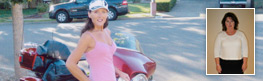
View our real patient photos and get inspired by the life transformations our patients have undergone.
Travel for Surgery

We can help you to make your weight loss dreams a reality, no matter where you live.
Our staff is trained and educated to handle acute peri-operative care as well as chronic medical issues. Our post-operative management extends throughout the lifetime of our patients. We provide a full range of care including informational seminars, communication with your insurance company, pre and post operative nutritional education, and extensive resources for patient support after surgery. Long term follow up includes post-operative office visits at 10 days, 12 weeks, 6 months, 9 months, 12 months, 18 months and annually thereafter. In addition, all of our weight loss surgery patients in San Jose and the Bay Area as well as our out-of-area patients also receive a post bariatric reconstructive surgery consultation.
For more information about our program, click here to request a consultation with Dr. John Rabkin at Pacific Laparoscopy. Or you can call our office at 415-668-3200 to schedule your appointment.